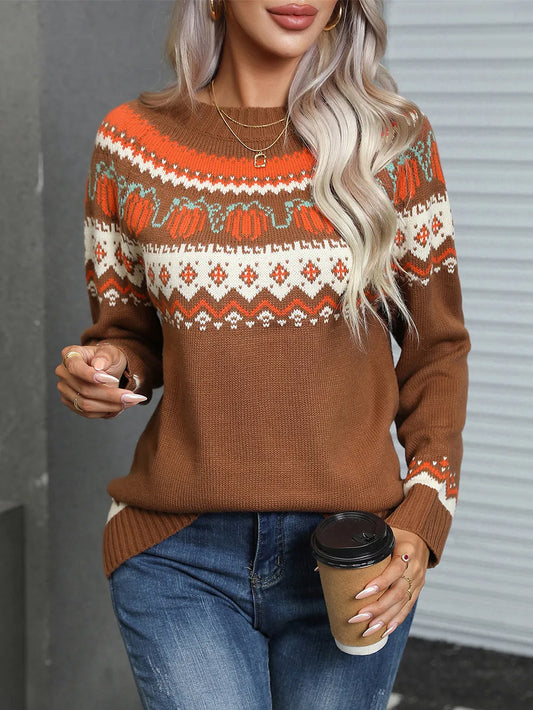
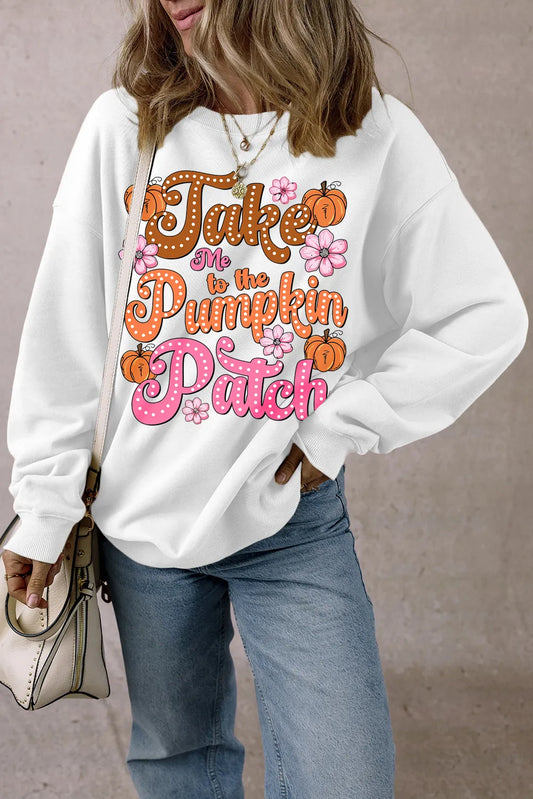
How Do I Add Color to an Outfit Without Looking “Too Loud”?
Share
Quick answer (TL;DR)
To add color without looking too loud, use one statement color at a time, pair it with neutrals (white, black, denim, tan, gray), and keep the outfit to 2–3 total colors. If you’re nervous, start with color in accessories (bag, scarf, shoes) or choose muted tones (sage, dusty rose, soft blue) instead of neon.
Why color can feel “too loud” (and how to fix it)
Color usually feels loud when:
- There are too many competing colors in one outfit
- The colors are high-saturation (very bright) with no “resting place”
- The outfit has multiple statement pieces at once
- The color placement is in a spot that feels unfamiliar (like a bold pant when you’re used to neutral bottoms)
- The fix is simple: make color feel intentional by giving it structure.
The easiest rule: Pick one “hero color”
Choose one color to be the star of the outfit. Everything else supports it.
Examples of hero colors that feel wearable:
- Soft blue
- Sage/olive
- Dusty rose
- Burgundy
- Mustard
- Teal
If you love bright colors, you can still do them—just treat them as the hero and keep the rest quiet.
7 easy ways to add color (without overthinking it)
1) Start with accessories (the low-commitment method)
Accessories are the easiest way to test color because they’re small, removable, and don’t dominate your silhouette.
Try:
- A colorful scarf
- A bright bag
- Fun earrings
- A bold shoe
Style tip: keep your base outfit neutral (like denim + white/black) and let the accessory do the talking.
2) Use the “one pop + one repeat” trick
Color looks more polished when it appears twice.
Example:
- A blue top + a small blue detail elsewhere (earrings, hair clip, bag)
This makes the outfit feel coordinated instead of random.
3) Pair color with denim (instant balance)
Denim is basically a neutral, but it has texture—so it softens bright colors.
Easy combos:
- Pink + light denim
- Teal + dark denim
- Mustard + medium wash denim
- Red + black denim
If you’re unsure, start with one colored top and denim bottoms.
4) Choose muted tones instead of neon
Muted colors give you the vibe of color without the “look at me” volume.
Muted color examples:
- Dusty rose instead of hot pink
- Sage instead of neon green
- Soft sky blue instead of electric blue
- Rust instead of bright orange
If you want to look modern and effortless, muted tones are your best friend.
5) Use color blocking the easy way (2 colors max)
Color blocking doesn’t have to be wild. The easiest version is:
One color + one neutral
Examples:
- Lavender + white
- Olive + black
- Cobalt + tan
If you want to do two colors, keep one of them muted.
6) Put color where you feel most confident
If you’re new to color, placement matters.
- Want to draw attention upward? Try a colorful top.
- Want a longer leg line? Try color in shoes.
- Want subtle color? Try a scarf or bag.
There’s no “right” placement—only what feels good on you.
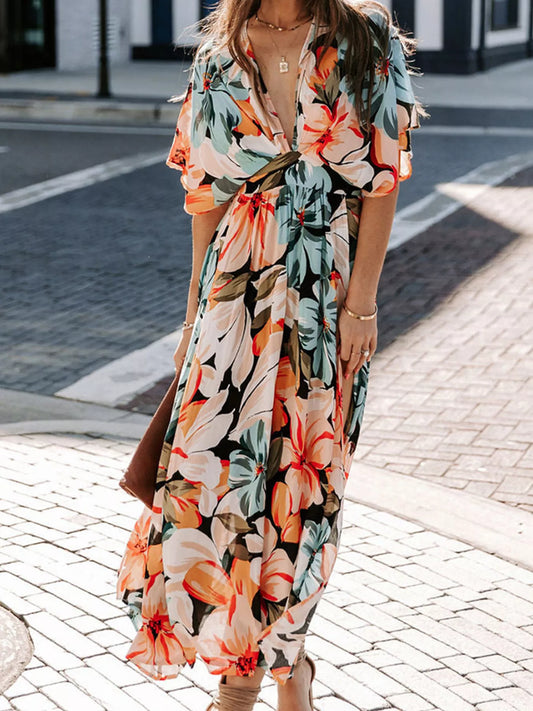
7) Use prints as a “color guide”
Prints make color easier because they already contain a palette.
How to style prints without looking loud:
- Pull one color from the print and repeat it elsewhere
- Keep the rest neutral
- Avoid mixing multiple bold prints until you’re comfortable
If you love boho style, prints can be a fun way to add color while still feeling relaxed.
What’s trending right now (in an evergreen way)
Trends change, but a few color approaches keep showing up because they’re flattering and easy to wear:
- Soft, earthy colors (sage, sand, clay, muted blues)
- Monochrome outfits (one color head-to-toe in different shades)
- Unexpected pops (a bright accessory with a neutral outfit)
The best part: these trends work because they follow the same rule—balance.
Common mistakes (and quick fixes)
Mistake: Too many statement pieces
Fix: pick one statement (color top OR bold shoes OR bright bag). Keep the rest simple.
Mistake: Mixing brights with brights
Fix: pair one bright with neutrals or muted tones.
Mistake: Not repeating the color
Fix: add one small repeat (jewelry, bag, hair accessory).
Mistake: Choosing a color you don’t actually love
Fix: start with a color you already wear in small ways (like your favorite nail color or lipstick).
Easy outfit formulas
- Neutral base + pop accessory: black/white/denim outfit + colorful scarf or bag
- Color top + neutral bottom: colored blouse + jeans or black pants
- Monochrome-lite: one color family (like blues) in two shades + neutral shoe
- Print + neutral + repeat: printed top + neutral bottom + accessory that matches one print color
FAQs
Q: What is the easiest color to start wearing?
Blue and green tones (like soft blue or sage) are usually the easiest because they feel calm and pair well with denim and neutrals.
Q: How many colors should I wear in one outfit?
A simple rule is 2–3 colors total, including neutrals. If you’re wearing a bold print, treat it as your “color moment” and keep everything else neutral.
Q: How do I wear bright colors without looking childish?
Choose clean shapes, keep the rest of the outfit neutral, and limit yourself to one bright at a time. Bright looks more grown-up when it’s styled simply.
Q: Do neutrals count as colors?
In styling, neutrals (black, white, gray, tan, denim) are treated like a base. They help your hero color look intentional.
Q: How do I know what colors look good on me?
Start with what you’re naturally drawn to. If you want a quick guide, notice whether you prefer warm tones (rust, mustard, olive) or cool tones (blue, teal, lavender). Then build around that.
Bring this vibe to your closet
If you’re ready to experiment with color in a way that still feels comfy and wearable, build outfits around a simple base and add one intentional pop. When you want fresh outfit inspiration that fits a travel-ready, boho-cute vibe, browse what’s new at https://jetsetterscloset.com .